Running a Holiday Let Business in the Lake District
The Lake District has long been one of the UK’s most desirable locations for owning a holiday home. With...






by Gaynor Anderson / Owner Hub
The end of the Furnished Holiday Let (FHL) tax regime in April 2025 changed the rules for holiday let owners across the UK. If you let a property in the Lake District, it’s worth knowing exactly where you stand — what you’ve lost, what you can still claim, and what’s coming next.
This guide covers the key tax rules for 2026, checked against the latest HMRC guidance.
Looking to maximise your holiday home’s potential?
Our Account Managers keep owners informed about industry changes, tax considerations and legislation updates. Claim your FREE Owner Guide today.

Stone Cross Mansion Apartments, Ulverston
In this guide
Since April 2025, holiday lets have been taxed in the same way as standard residential rental properties. The specialist FHL regime — which gave qualifying properties business-like tax treatment — no longer exists.
The main things that changed:
However, the way taxable profits are calculated day-to-day remains largely unchanged. Most running costs are still fully deductible.
Find out more: Abolition of the Furnished Holiday Lettings Tax Regime — GOV.UK
Read our up-to-date Furnished Holiday Let Tax Guide 2026 on the Sykes Holiday Cottages blog.

Hawkrigg Farm, Far Sawrey Ref. 1041275
Our partner Zeal offer a free helpline for Sykes and sister brand owners — call 01633 499771 or email Sykes@gozeal.co.uk. You also get an exclusive 10% discount on their standard fees.
Tax-deductible expenses are the costs of running your holiday let that you subtract from your rental income before calculating how much tax you owe. The good news is that most day-to-day running costs are still fully deductible, just as they were under the old FHL rules.
Expenses you can usually claim include:
✅ Advertising and marketing (listings, social media, brochures)
✅ Cleaning and laundry
✅ Repairs and maintenance (boiler fixes, repainting, replacing broken items)
✅ Buildings and contents insurance
✅ Utility bills (gas, electricity, water, broadband)
✅ Council tax or business rates
✅ Letting agent and management fees
✅ Accountancy and professional fees
✅ Garden maintenance and window cleaning
✅ Replacement furniture and appliances (subject to HMRC’s Replacement of Domestic Items Relief rules)
If your holiday let earns £20,000 in a year and you have £5,000 of allowable expenses, your taxable profit is £15,000 — not £20,000. You only pay tax on the profit.
You can’t claim capital allowances on new furniture or equipment bought from April 2025 onwards. Instead, you can use Replacement of Domestic Items Relief when you replace existing items — but only on a like-for-like basis.
For a full breakdown, see Zeal Tax’s guide to holiday let allowable expenses or visit HMRC’s guidance on rental income.

Most holiday let owners won’t need to worry about VAT. You only need to register if your annual turnover exceeds £90,000 — roughly £7,500 a month. That level of income is only likely if you own a large, high-end property or multiple properties.
If you do cross the threshold, you’ll need to:
Read the latest guidance: VAT on holiday accommodation — GOV.UK

Bank Barn, Wreay Ref. 1160532
Buying a holiday home or investment property costs more in stamp duty than buying a main residence. Since October 2024, second homes and holiday lets in England and Northern Ireland attract a 5% SDLT surcharge on top of the standard rates.
The picture is similar elsewhere in the UK:
Read our guide to Stamp Duty for holiday lets for a full breakdown.
This is one of the most important tax questions for Lake District owners, because the difference between the two can be significant.
In England, your holiday let is assessed for business rates — rather than council tax — if it meets both of these conditions:
If your property doesn’t meet both criteria, it’s treated as a second home and subject to council tax.
Many local authorities in Cumbria — including South Lakeland, Westmorland and Furness, and Cumberland — now charge a 100% council tax premium on second homes. That means double the standard bill. If your property qualifies for business rates instead, you avoid this entirely.
If your holiday let qualifies for business rates and has a rateable value below £15,000, you may be eligible for Small Business Rate Relief — which can reduce your bill significantly, and in many cases to zero.
Find out more: Small Business Rate Relief — GOV.UK
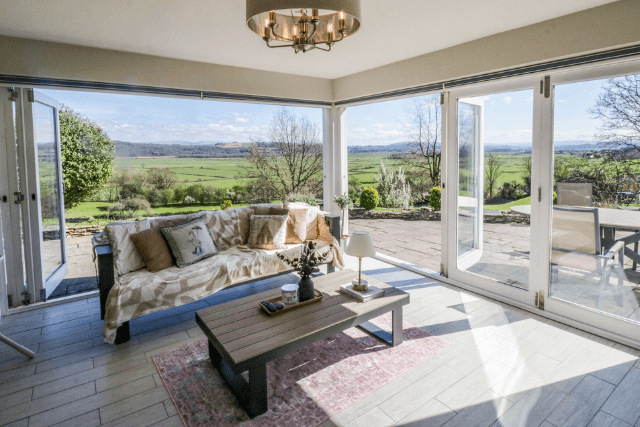
Barn Howe, Lyth Valley Ref 1180254
If you sell your holiday let at a profit, you’ll likely pay Capital Gains Tax (CGT) on the gain. The current rates for residential property are:
Each individual has an annual CGT exempt amount of £3,000, so gains up to that amount each tax year are tax-free. Check the GOV.UK CGT rates page for full details.
If you transfer your holiday home to a family member during your lifetime, HMRC treats the transaction as a sale at current market value — even if no money changes hands. A CGT liability can arise on the full gain, not just the cash received.
When a holiday let owner dies, the property forms part of their estate for Inheritance Tax (IHT) purposes. Most holiday lets do not qualify for Business Relief, so IHT may be payable at 40% on the value above available allowances.
This is a complex area and professional advice is strongly recommended. Read the guidance: HMRC guidance on IHT and FHLs
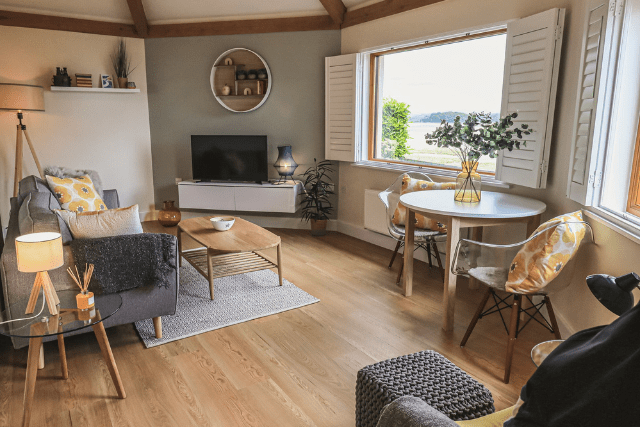
Oversands Cottage, Grange over Sands Ref 1095487
Several councils — including some within the Lake District — have introduced or are consulting on stricter licensing requirements, occupancy caps, or planning controls on short-term holiday lets. The rules vary by local authority and are changing quickly.
Always check directly with your local council before letting a new property or making significant changes to how you operate.
HMRC is rolling out Making Tax Digital for Income Tax Self Assessment (MTD ITSA) — a shift to digital record-keeping and quarterly reporting for landlords and self-employed people.
The rules are being introduced in stages based on your annual gross income from property and self-employment:
If you’re already above the £50,000 threshold, you should be keeping digital records and submitting quarterly updates to HMRC now. If you’re not sure whether you’re in scope, speak to your accountant or contact Zeal.
Full guidance: Making Tax Digital for Income Tax — GOV.UK

Local authorities across Cumbria charge a 100% council tax premium on second homes — effectively doubling your bill. To avoid this, your property needs to qualify for Business Rates instead.
To qualify, your property must be available for commercial holiday letting for at least 140 days over the next 12 months, and actually let to paying guests for at least 70 days in the previous 12 months. Both conditions must be met.
Yes, potentially. If your holiday let qualifies for Business Rates and has a rateable value under £15,000, you may be eligible for Small Business Rate Relief. In many cases this can reduce your bill to £0.
Eligibility depends on the property’s rateable value as assessed by the Valuation Office Agency. It’s worth checking yours if you haven’t already.
No — not if you own the property as an individual. Under the old FHL rules, you could deduct mortgage interest in full. Now, like any buy-to-let landlord, you receive a flat 20% tax credit on your mortgage interest instead.
For higher and additional-rate taxpayers, this change can result in a substantially higher income tax bill. It’s one of the biggest practical impacts of losing FHL status.
Limited Companies can still deduct 100% of mortgage interest as a business expense before paying Corporation Tax — which is why many owners are considering this route.
However, transferring an existing property into a company is treated as a sale by HMRC. That means you could trigger Capital Gains Tax and Stamp Duty surcharges upfront, before seeing any benefit. It’s not a simple decision and the numbers need to be run carefully. Speak to Zeal or a specialist property tax adviser before proceeding.
Under the old FHL rules, couples could split profits in any ratio — so you could allocate more income to the lower earner. That flexibility is gone. HMRC now defaults to a strict 50:50 split for jointly owned properties.
To change the split, you must formally alter the beneficial ownership of the property and file an HMRC Form 17 declaration. This requires legal documentation and must reflect the actual ownership structure.
MTD for Income Tax requires digital record-keeping and quarterly reporting to HMRC. You’re in scope based on your total gross income from property and self-employment:
If you’re above the £50,000 threshold and haven’t started yet, speak to your accountant or contact Zeal as soon as possible.
Lakelovers has 50 years’ experience managing holiday lets across the Lake District and Cumbria. Our team can help you understand what to expect, get your property guest-ready, and make the most of your investment.
For more owner advice, visit our owner advice blog, including:

Windermere Team
Our partner Zeal offer a free helpline for Lakelovers owners — call 01633 499771 or email sykes@gozeal.co.uk. As a Lakelovers owner, you also get an exclusive 10% discount on their standard fees.
Thinking about switching agents or listing your property for the first time? Call our local Lakes team on 015394 88855 or complete the form below to request your FREE Owner Guide.
The information in this article is correct at the time of publication and has been provided by Zeal for general guidance only. Tax rules and individual circumstances vary — always consult HMRC guidance and seek advice from a qualified professional before making decisions about your holiday let. Lakelovers does not provide tax, legal or financial advice and accepts no liability for decisions made in reliance on this content.
While Lakelovers may introduce third-party providers such as Zeal, we make no representations regarding the accuracy, suitability or quality of their services. Any agreement is entered into solely between you and the third-party provider, at your own risk.
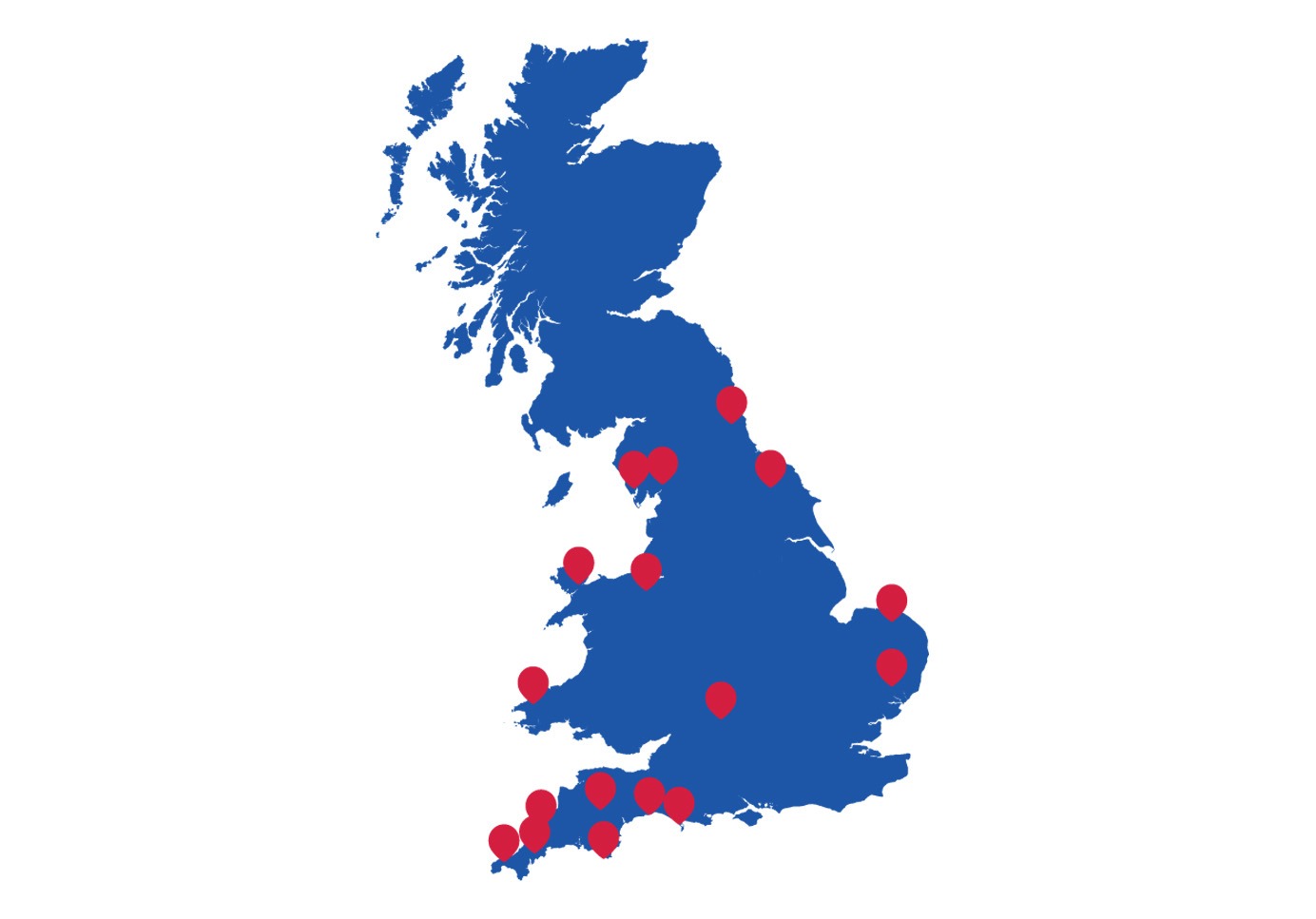
Interested in letting a property outside of the Lake District? We’re proud to be part of Sykes Holiday Cottages, with a network of regional brands offering the same award-winning service across the UK. Enquire now to be put in touch with your local holiday letting experts.
Find out how we can work together. With over 25 years’ experience, our local expertise will give you peace of mind and bring you the bookings you deserve.
by Gaynor Anderson / Owner Hub

Hi, I'm Gaynor and I joined the Lakes team in Jan 2020. I live and work in the beautiful Lake District! My passion is anything out...
Read More About Author
Sign up to receive exclusive offers, competitions and the latest news to your inbox, and you'll be entered into our monthly prize-draw 3 times!
The Lake District has long been one of the UK’s most desirable locations for owning a holiday home. With...

Staycations are no longer just a summer trend: they’ve become a year-round pattern, and the Lake District is a...

Are you a new property owner and want to know more about the costs of running a holiday let...

