Holiday Let Tax Guide 2026: Tax Reliefs, Expenses and Rules for Holiday Home Owners
The end of the Furnished Holiday Let (FHL) tax regime in April 2025 changed the rules for holiday let...





by Gaynor Anderson / Owner Hub
The Lake District has long been one of the UK’s most desirable locations for owning a holiday home. With its breath taking landscapes, charming villages and year‑round visitor appeal, it’s no surprise that many consider starting a holiday let business here. Whether to generate income, support the costs of ownership, or create a long‑term investment, it’s a popular option.
While the idea of holiday letting can feel daunting at first, understanding what guests look for, how to prepare your property and what’s involved in running a holiday let business day to day can help set you up for success.

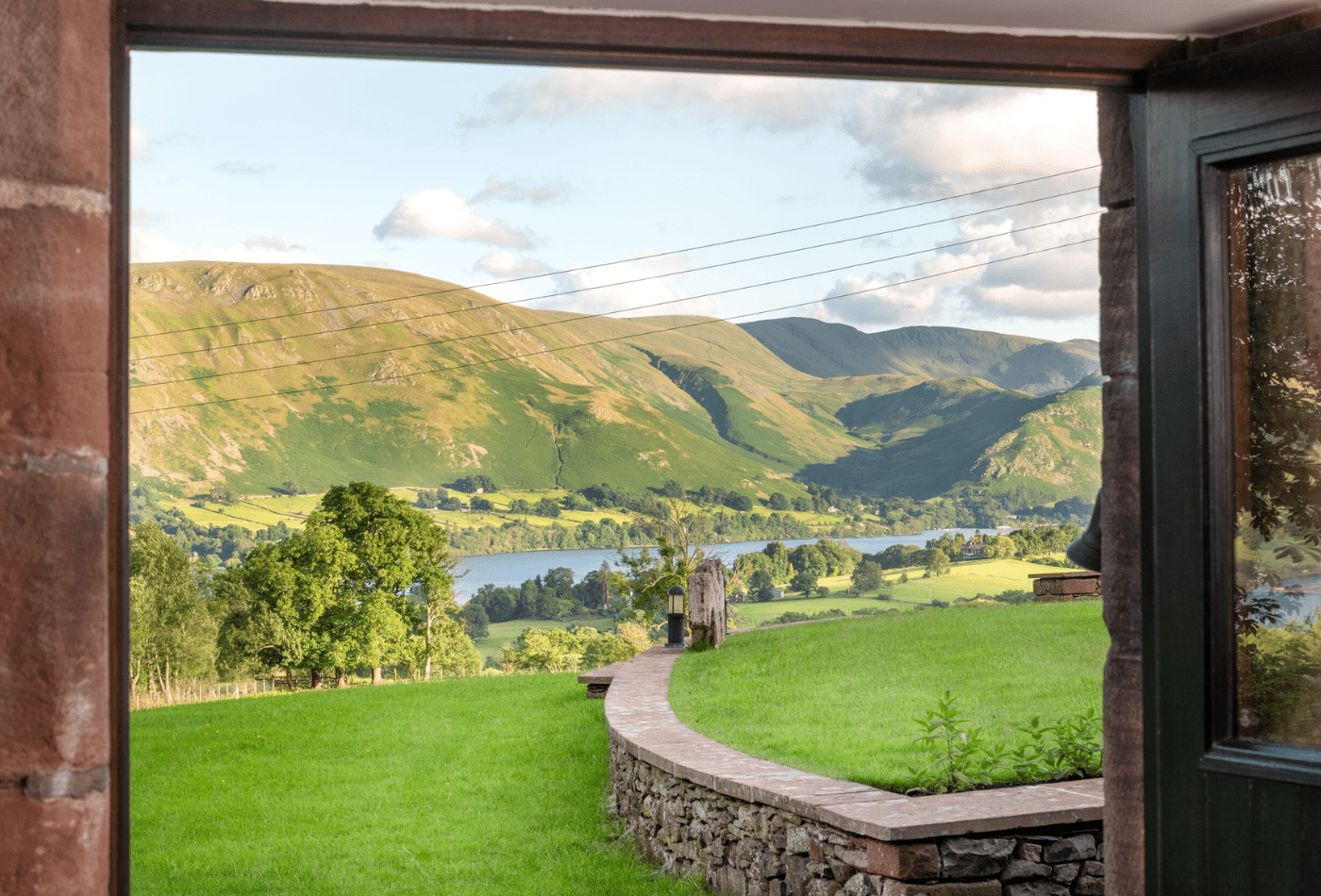
Keswick and Derwentwater from Cat Bells
If you’re new to holiday letting, one of the most important first steps is thinking carefully about the type of property you buy – or already own – and how it will fit into the local holiday market.
As with any property investment, location plays a vital role. Popular Lake District destinations such as Keswick, Ambleside and Bowness‑on‑Windermere attract consistently strong demand thanks to their access to walking routes, shops, restaurants and attractions. Quieter villages and rural settings can be equally appealing, particularly for couples and repeat visitors looking for peaceful breaks surrounded by nature.
Properties that are well placed for year‑round tourism – rather than relying solely on peak summer demand – often offer greater long‑term potential.
When starting a holiday let business, it’s worth being clear about who your property is best suited to. Families, couples, walking groups and pet owners all have different priorities when booking a stay.

Fellside Lodge, Bowness-On-Windermere Ref. 1065820
The size, layout and character of a property will also influence its earning potential. While larger homes can command higher weekly rates, smaller cottages can still perform well if they’re well presented and located in a desirable area. There is also growing interest in distinctive properties that offer something a little different, from converted barns to countryside retreats. According to the 2026 Sykes Holiday Letting Outlook Report, unique properties are the second most popular property type currently, earning an average gross income of £31,800 in 2025!
Being open to properties that aren’t the obvious choice can sometimes uncover opportunities with strong holiday appeal.
Guests booking Lake District holidays expect comfort, quality and practical features that support outdoor living. Furnishing and equipping your holiday home to a high standard is an important part of both guest satisfaction and long‑term success.
High‑quality mattresses, comfortable seating and a well‑equipped kitchen can significantly enhance the guest experience. Thoughtful details – such as storage for walking boots, hooks for wet coats or outdoor seating – can also help your property stand out. Here are some more tips on getting your holiday home ready for the busy season!
Certain features consistently influence booking decisions. According to the Sykes 2026 Staycation Index, some of the most searched for property features include:
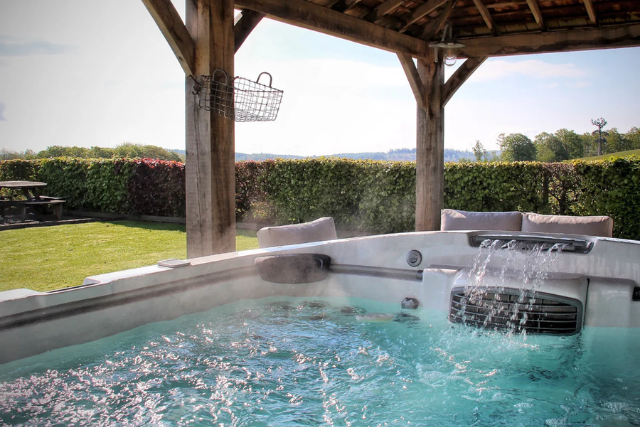
Hawkrigg Farm, Far Sawrey Ref. 1041275
Anyone running a holiday let business has a legal duty of care to their guests. While this may seem complex at first, staying organised and informed can make compliance manageable.
⚠️ Key considerations include:
✅ Gas and electrical safety
✅ Fire safety measures and clear escape routes
✅ Furniture and furnishings regulations
✅ Appropriate holiday let insurance, including public liability cover
Planning requirements can also apply in some circumstances, particularly within the Lake District National Park. It’s important to check whether change‑of‑use permissions or other local restrictions apply before letting a property for the first time.
When starting a holiday let business, it’s essential to look beyond potential income and fully understand ongoing costs. These typically include utilities, cleaning, laundry, maintenance, insurance and local taxes or business rates.
Pricing your property correctly plays a major role in achieving good occupancy. This involves balancing seasonal demand, property features and what similar properties in the area charge. Flexible approaches to short breaks, off‑peak pricing and last‑minute availability can all help maximise income across the year. For more information on the Costs of Running a Holiday Let read our comprehensive blog.
Managing a holiday let involves more than just taking bookings. Changeovers, cleaning standards, property maintenance and guest communication all require time and attention.
Providing clear pre‑arrival information, helpful guidance during a guest’s stay and a well‑prepared welcome pack can greatly improve reviews and overall guest satisfaction. Regular maintenance checks and seasonal preparation, particularly ahead of winter, also help protect your property and avoid last‑minute issues.
Many owners choose to work with a local holiday letting specialist to support the day‑to‑day running of their property, particularly if they don’t live nearby or prefer a more hands‑off approach.
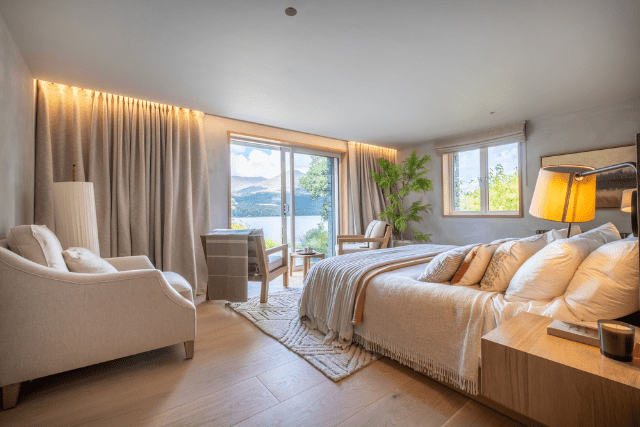
Deer Close, Coniston Ref. 1171316
Owning a holiday home and running a holiday let business in the Lake District can be both personally rewarding and financially beneficial. However, success depends on careful planning, realistic budgeting and a strong focus on what today’s holidaymakers value most.
With the right preparation, starting a holiday let business in the Lake District can be a positive long‑term investment and an enjoyable way to make the most of property ownership in one of the UK’s most iconic destinations. For those considering whether Lake District Holiday Lets are a Good Investment, read our complete guide here.
Whether you’re starting a holiday let business for the first time or already running a holiday let business in the Lake District, having expert local support can make a significant difference to both performance and peace of mind.
At Lakelovers, we specialise exclusively in holiday letting across the Lake District, giving owners access to in‑depth local knowledge and a clear understanding of what guests look for in this unique region. From popular market towns to quieter rural locations, we know how to position properties to appeal to the right audience and achieve strong year‑round demand.
For owners new to holiday letting, Lakelovers can provide guidance from the very beginning – helping you understand rental potential, prepare your property for guests and navigate the practical considerations of letting in the National Park. If you already own a holiday let, our ongoing support can help optimise performance and reduce the pressures of day‑to‑day management.
Our services can include:
Because we’re focused solely on the Lake District, our insights are rooted in real, on‑the‑ground experience. We understand seasonal trends, location‑specific demand and the practical challenges that come with owning a property in a rural environment. That local knowledge helps owners make informed decisions and build a more resilient holiday let business.
Whether your aim is to create a holiday home that helps pay for itself or to build a long‑term investment, Lakelovers offers tailored support to help you get the most from your property while maintaining high standards for guests.
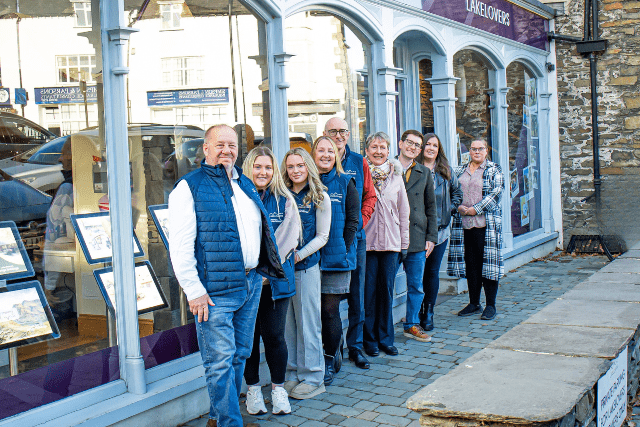
Lakelovers team, Windermere
Ready to start your holiday letting journey?
Explore our Owner Hub for expert advice and discover how Lakelovers can help you maximise your investment.
Prefer to chat? Give our local team a call for advice, up to date information and holiday letting insights, 📞 015394 88855 or click here for more info.
Alternatively, complete the form below to request contact from our team, including a copy of our FREE Owner Guide:
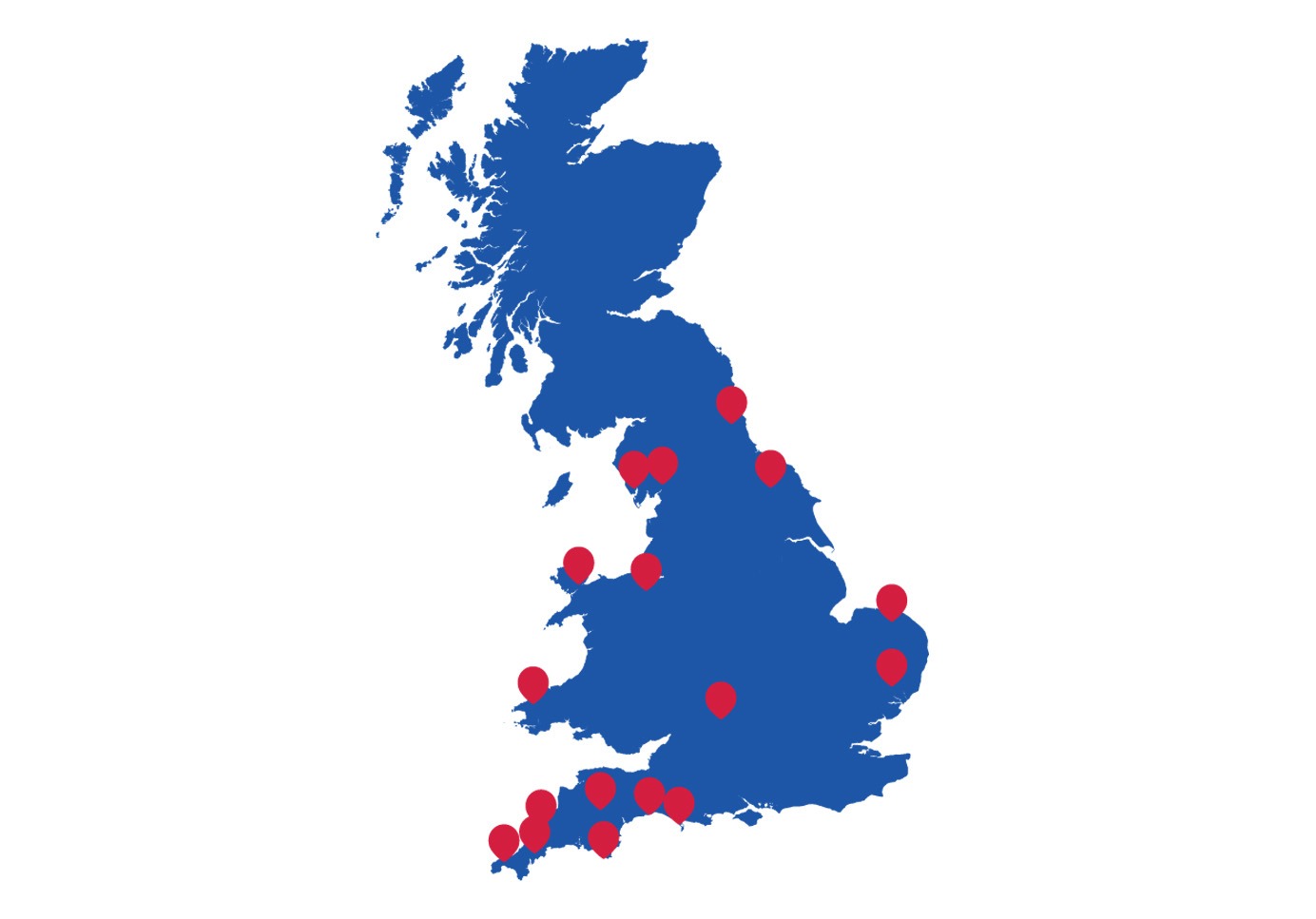
Interested in letting a property outside of the Lake District? We’re proud to be part of Sykes Holiday Cottages, with a network of regional brands offering the same award-winning service across the UK. Enquire now to be put in touch with your local holiday letting experts.
Find out how we can work together. With over 25 years’ experience, our local expertise will give you peace of mind and bring you the bookings you deserve.
by Gaynor Anderson / Owner Hub

Hi, I'm Gaynor and I joined the Lakes team in Jan 2020. I live and work in the beautiful Lake District! My passion is anything out...
Read More About Author
Sign up to receive exclusive offers, competitions and the latest news to your inbox, and you'll be entered into our monthly prize-draw 3 times!

The end of the Furnished Holiday Let (FHL) tax regime in April 2025 changed the rules for holiday let...
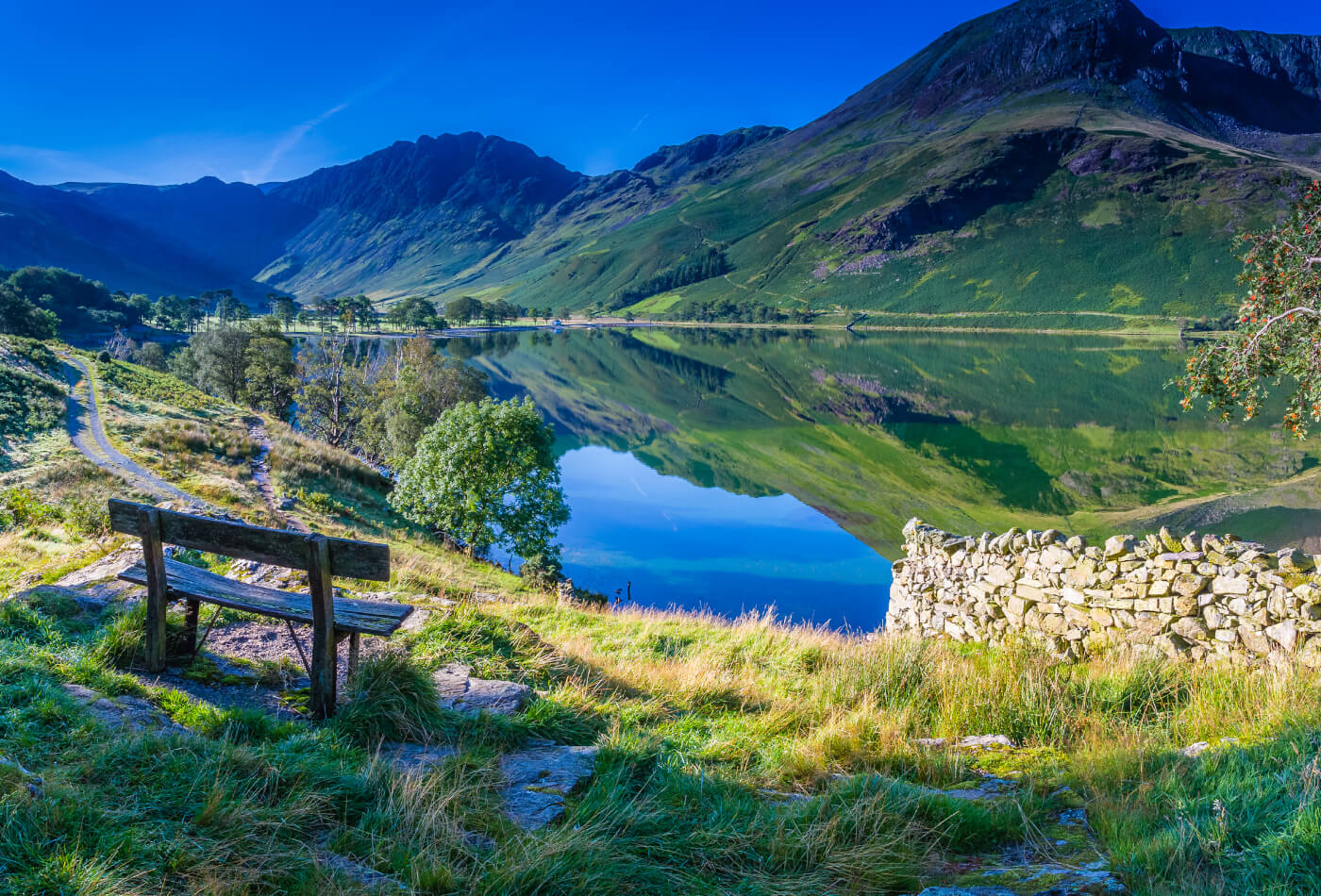
Staycations are no longer just a summer trend: they’ve become a year-round pattern, and the Lake District is a...
Are you a new property owner and want to know more about the costs of running a holiday let...

